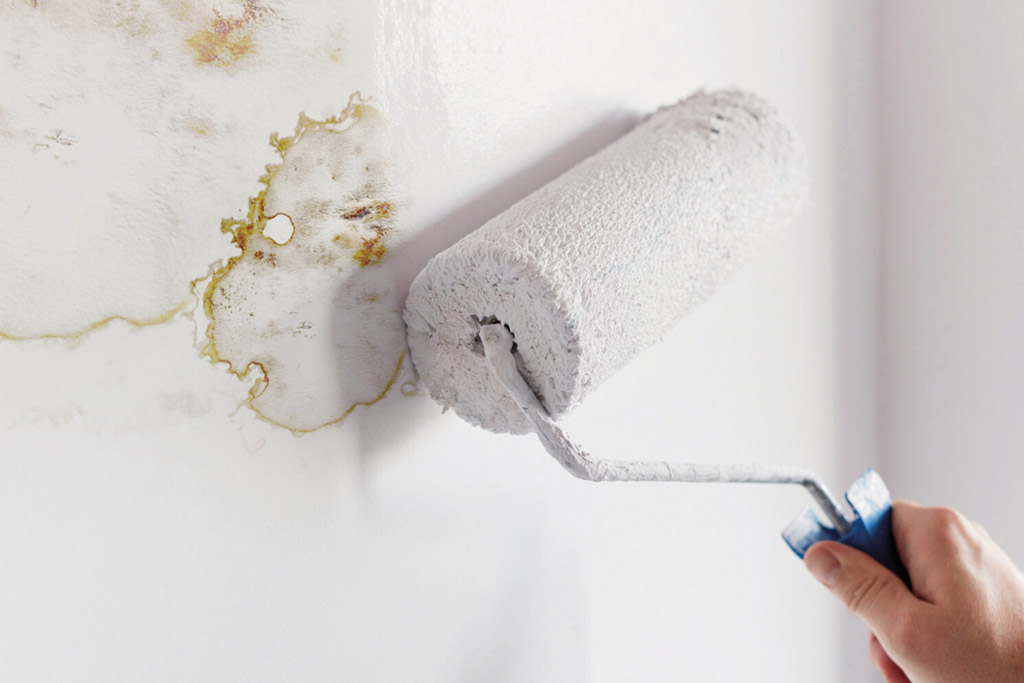
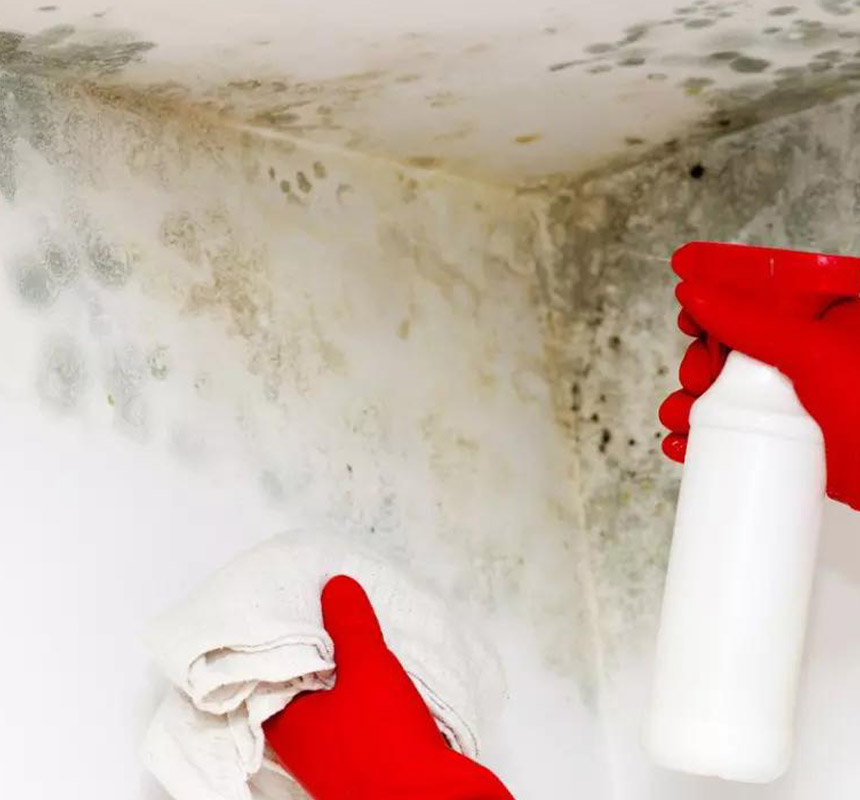
It is impossible to ignore the dark marks on bathroom walls, especially as they grow larger over time. These are signs of mould—a problem that is not only unsightly but also harmful to health.

Mould develops easily when conditions allow, and the bathroom provides an ideal environment for its growth due to high humidity and limited air and light circulation.

Surface preparation and cleaning

Before you begin painting, it is important to clean and disinfect the surface thoroughly.

You will need:

  • safety goggles,
  • gloves,
  • a protective mask.

First, clean the surface thoroughly using lukewarm water and bleach. Use the following ratio:

  • 3 parts water,
  • 1 part household bleach.

Allow the surface to dry completely before proceeding to the next steps.

Wall preparation

  1. Apply masking tape to protect the tiles and surrounding surfaces.
  2. Lightly sand the walls using 220-grit sandpaper.

CAUTION:

Never sand a surface with active mould growth. The surface must first be properly disinfected.

  1. Remove the sanding dust with a vacuum cleaner, then wipe the surface with a slightly damp cloth.

Painting with mould-resistant paint

Once the surface has been properly prepared, you can begin painting the bathroom with mould-resistant paint.

Application process

  1. Pour the mould-resistant paint into a clean paint tray.
  2. Use a brush to paint the corners and edges of the wall first.
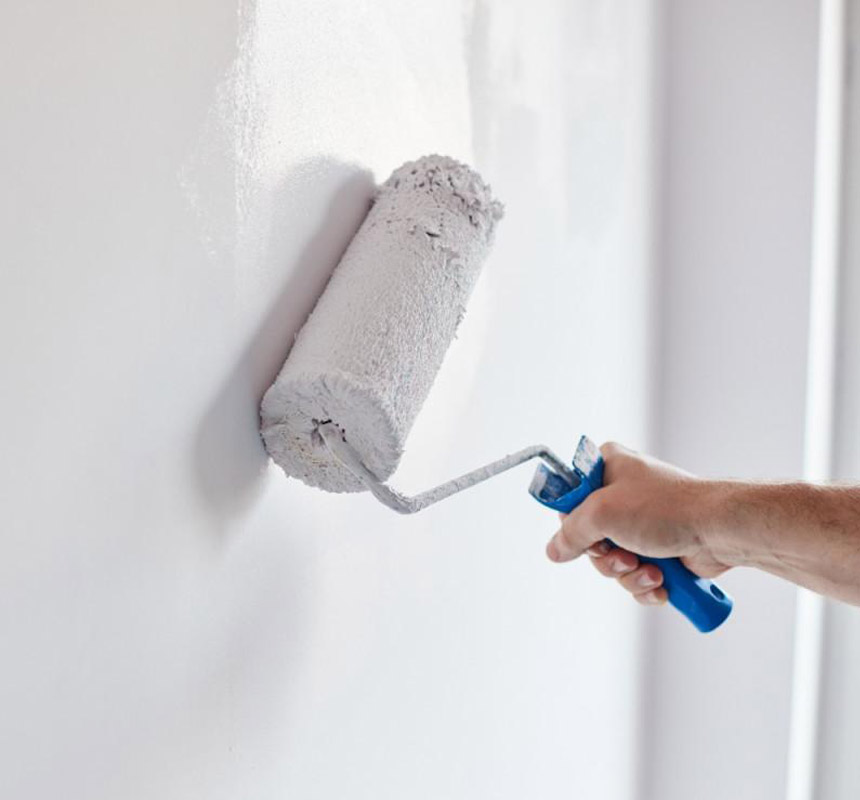
  3. Apply the paint to the rest of the wall using a roller.
  4. Allow the first coat to dry thoroughly.
  5. Apply a second coat for improved coverage and greater resistance to moisture and mould.

Using a specialist mould-resistant paint can significantly reduce mould growth in areas with high humidity, such as bathrooms.

Useful tips and recommended products

To prevent mould from developing on bathroom walls, it is important to maintain adequate ventilation.

After every shower:

  • run the ventilation system or extractor fan for at least 30 minutes,
  • open the window to ventilate the room thoroughly,
  • regularly clean areas exposed to high levels of moisture.

If your bathroom does not have a window, you can use:

  • a dehumidifier,
  • a bathroom extractor fan,
  • or a mechanical ventilation system.

If mould reappears, fill a spray bottle with water and a small amount of bleach. Lightly spray the affected area and wipe it with a soft cloth, taking care not to damage the paint finish.

Recommended products

  • Prestige Anti-Mould Silver Nano Edition
  • Prestige Kitchen & Bath
  • One4All
  • FA-70 Film Agent Performance-Enhancing Additive
This site is registered on portal.liquid-themes.com as a development site. Switch to production mode to remove this warning.