
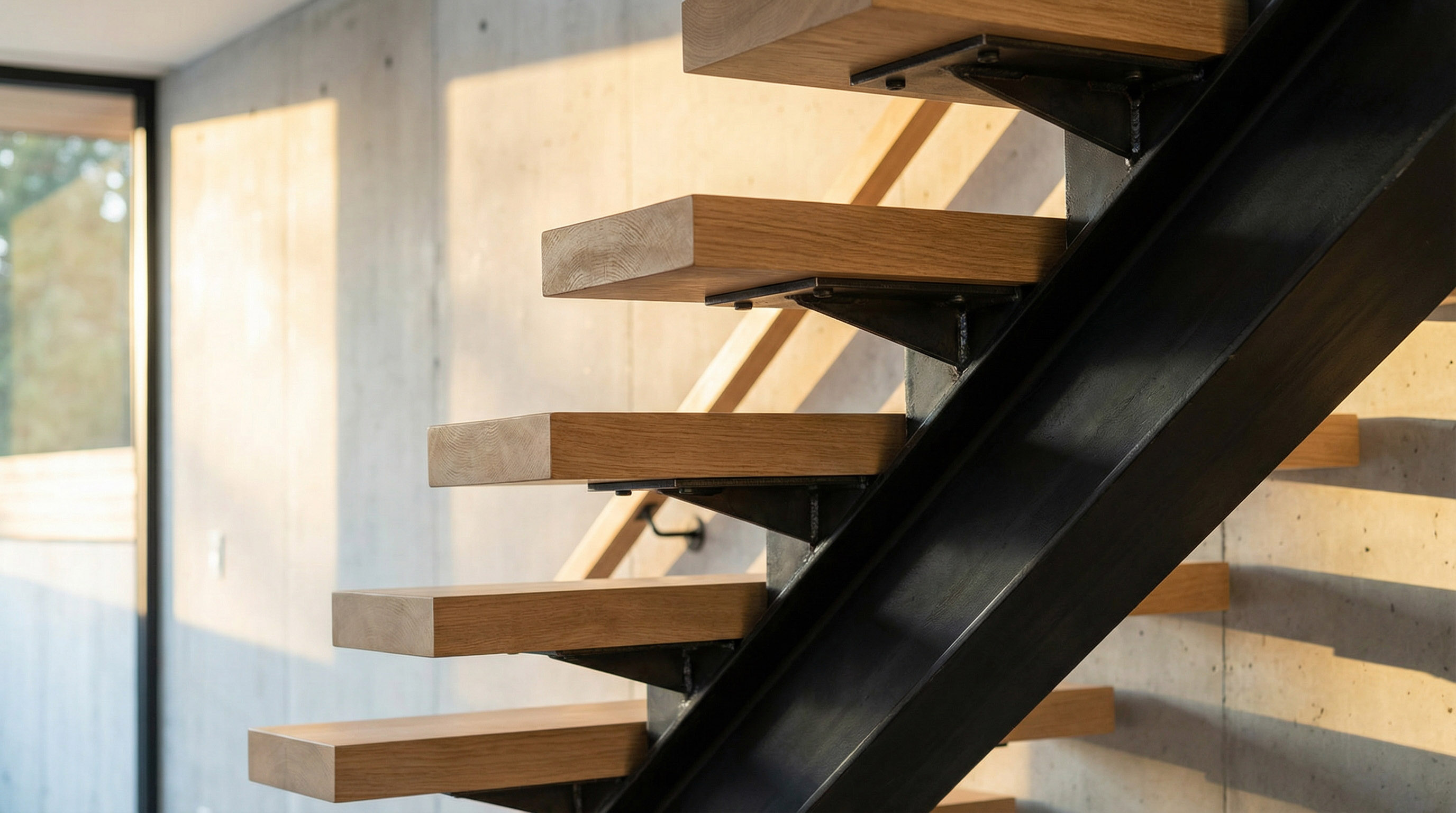
Paints are divided into three main categories: architectural paints, furniture coatings and industrial coatings. Each category includes specialised products with different properties and applications, depending on the surface and the requirements of the space.
Architectural paints include emulsion paints, acrylic paints, insulating coatings, enamels, mould-resistant paints and protective varnishes.
Emulsion paints
Emulsion paint is the standard choice for interior walls and other building surfaces. It is water-based, durable, easy to apply and can be cleaned with water. It provides a matt or satin finish and can be diluted with up to 10% water.
Emulsion paints are environmentally friendly and are primarily used on interior surfaces. They are easy to apply and can be used on both new and previously painted walls, producing a smooth and uniform finish.
They can also be applied to ceilings, filled surfaces, plasterboard, chipboard and cement-based surfaces, provided the substrate has been properly prepared.
They offer all the required performance properties, including excellent coverage, flexibility, easy application, resistance to changing weather conditions and mechanical stress, as well as low VOC emissions. They do not pose a hazard to human health or the environment.
Acrylic paints
Acrylic paint is the standard choice for exterior surfaces and is water-based. It can be applied to render, concrete, brick and wood, providing waterproofing and protection against carbonation. It can be diluted with up to 10% water.
Although acrylic paints are water-thinnable, they develop excellent durability once dry. They are suitable for exterior use, offer strong resistance to changing weather conditions and are specifically designed for all types of exterior surfaces.
Solvent-based masonry paints
These coatings offer exceptional durability and are mainly used on exterior surfaces such as exposed concrete, brick and render.
Textured coatings
These are textured, emulsion-based coatings with excellent durability and insulating properties. They can be used on both interior and exterior walls, including concrete and brick surfaces.
Breathable water paints
These are mainly used on ceilings and in bathrooms, stairwells and storage areas. They allow the substrate to breathe by leaving its pores open, helping to prevent problems caused by excessive condensation.
Primers
Primers are available in transparent or white formulations, offering excellent coverage and easy sanding. This category includes acrylic wall primers, which provide waterproofing properties and strong adhesion.
Enamels
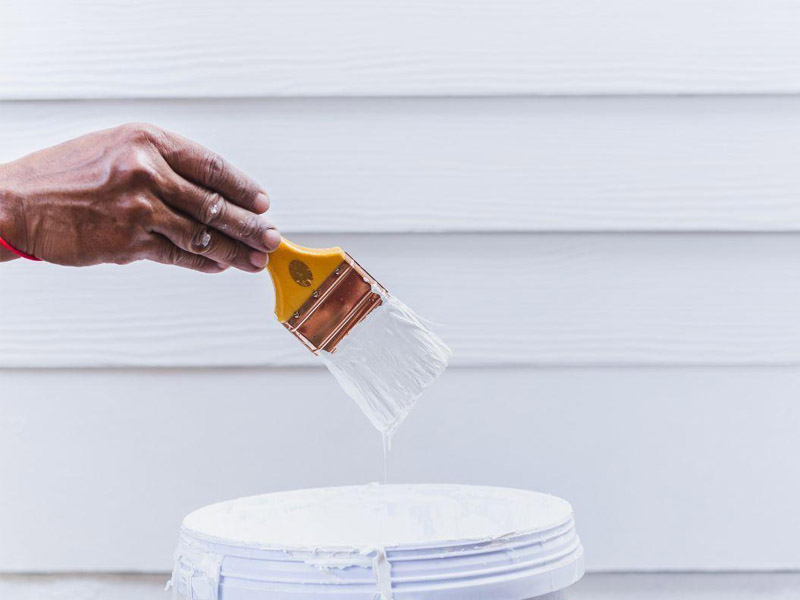
Enamels are synthetic resin paints available in water-based or white-spirit-based formulations. They can be applied to metal, wood and a wide range of building surfaces, with products available for both interior and exterior use.
They form a flexible yet hard paint film with excellent resistance to UV radiation, adverse weather conditions and dirt.
They can be applied to new, previously painted and properly prepared surfaces, including wood, metal, doors, frames, cupboards, windows, railings and fences.
They are thinned with either water or the appropriate solvent, depending on the manufacturer’s instructions. In retail stores, they may also be referred to as gloss enamel or duco paint, although both terms essentially describe the same type of product: enamel paint.
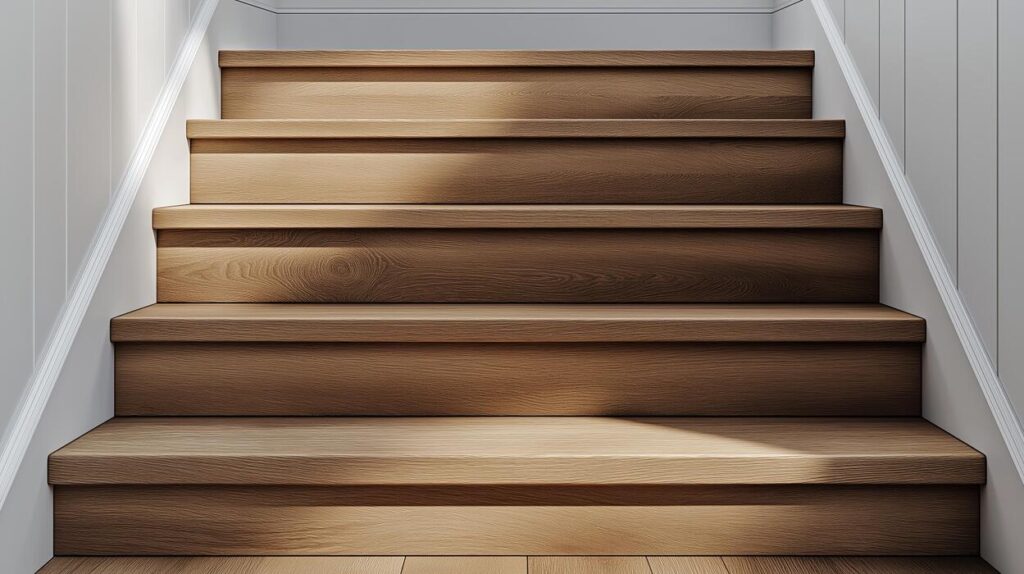
Gloss enamel is mainly used on wooden surfaces such as doors, frames and cupboards, as well as in interior spaces.
Anti-rust paints
Anti-rust paints can be used on both new and previously painted metal surfaces. The appropriate anti-corrosive product should be selected according to the type and condition of the metal surface requiring protection.
Varnishes and wood preservatives
Furniture coatings include varnishes and lacquers.
Wood preservatives allow the natural grain of the wood to remain visible and generally require an additional coat of wood varnish. Varnish is the traditional decorative topcoat, forming either a thin or thick protective film on the wooden surface.
Varnishes are available in matt, satin and gloss finishes. Specialist floor varnishes are also available, offering excellent flow and a smooth, velvety finish. Traditional oil-based paints also fall within this category.
Epoxy coatings
Epoxy products form part of the industrial coatings category.
These products are primarily characterised by exceptional hardness, high mechanical and chemical resistance, and excellent adhesion to a wide range of substrates.
The long service life of epoxy coatings is one of the main reasons they are selected over conventional paints. They are suitable for coating concrete surfaces such as industrial floors, water tanks and garages.
Paint quality classifications
The properties and quality classification of paints vary according to the requirements of each application. Exterior paints must meet different requirements from interior paints. Similarly, standard environments have different demands from areas exposed to specific conditions, such as high humidity or contamination.
One of the main ways paints are classified is according to their formulation base. Traditional solvent-based paints contain and are thinned with solvents such as white spirit. Modern water-based paints use advanced formulation technology and are thinned with water.


Stay informed about new products, technical advice, colour trends and the latest news from Superlux.
© 2020–2026 SUPERLUX. All rights reserved.
We use essential cookies to ensure the website functions properly and, with your consent, analytics and other service cookies to improve your experience. You can accept all cookies, reject non-essential cookies, or manage your preferences.
Adding {{itemName}} to cart
Added {{itemName}} to cart