
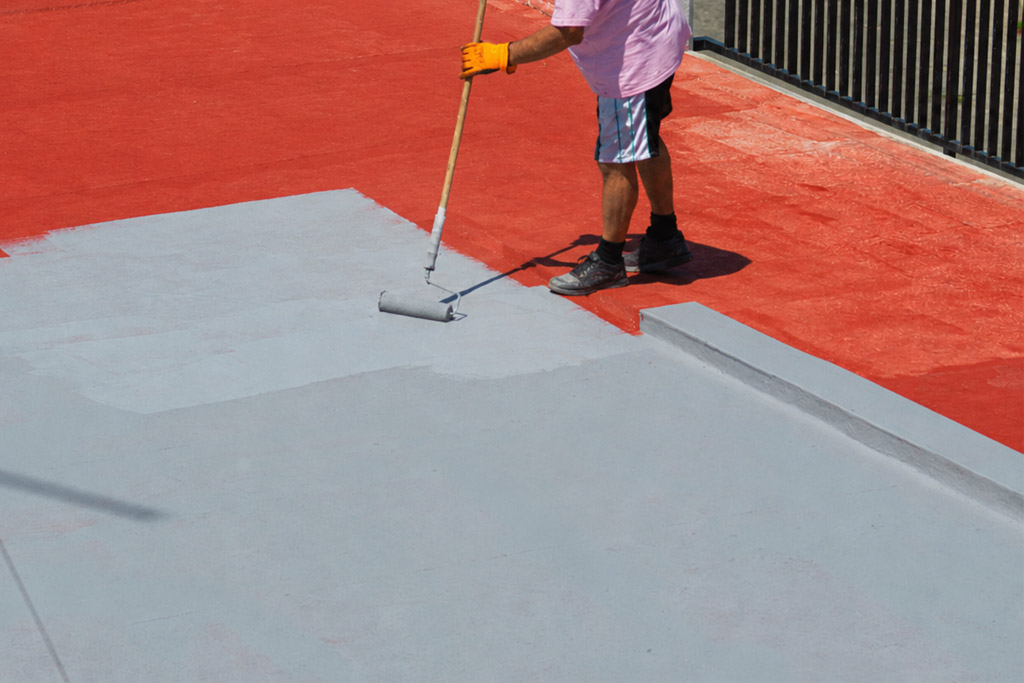
Waterproofing is the process of coating surfaces in buildings or other structures with suitable materials to prevent water penetration. Its main purpose is to keep water out of structures such as roofs, roof terraces, walls and basements.
Effective waterproofing is essential because water ingress can cause numerous problems within a building or throughout an entire building complex.
Two main categories of materials are used for waterproofing roofs and roof terraces:
A) Liquid-applied materials, such as elastomeric acrylic coatings, bituminous coatings, polyurethane products and cementitious slurries.
B) Waterproofing membranes, such as bituminous membranes, glass-fibre fabrics, PVC, EPDM and HDPE membranes, self-adhesive membranes and joint-sealing tapes.
During the construction of most buildings, specialist waterproofing is not usually given sufficient consideration, except in certain specialised structures. Over time, however, deterioration such as cracks in terrazzo roof surfaces or cracked render creates an urgent need to waterproof various surfaces.
The following factors should be considered when selecting the appropriate material:
Application materials
Tools
Purpose and requirements
Waterproofing systems for roofs and roof terraces must provide watertightness, reliability, long-term durability, flexibility and strong adhesion, regardless of weather conditions.
Most liquid-applied elastomeric products meet these requirements by forming a continuous, flexible membrane without joints or seams. They provide effective adhesion, flexibility and resistance to UV radiation and weathering, while offering an easy and cost-effective solution—even for difficult-to-waterproof areas.
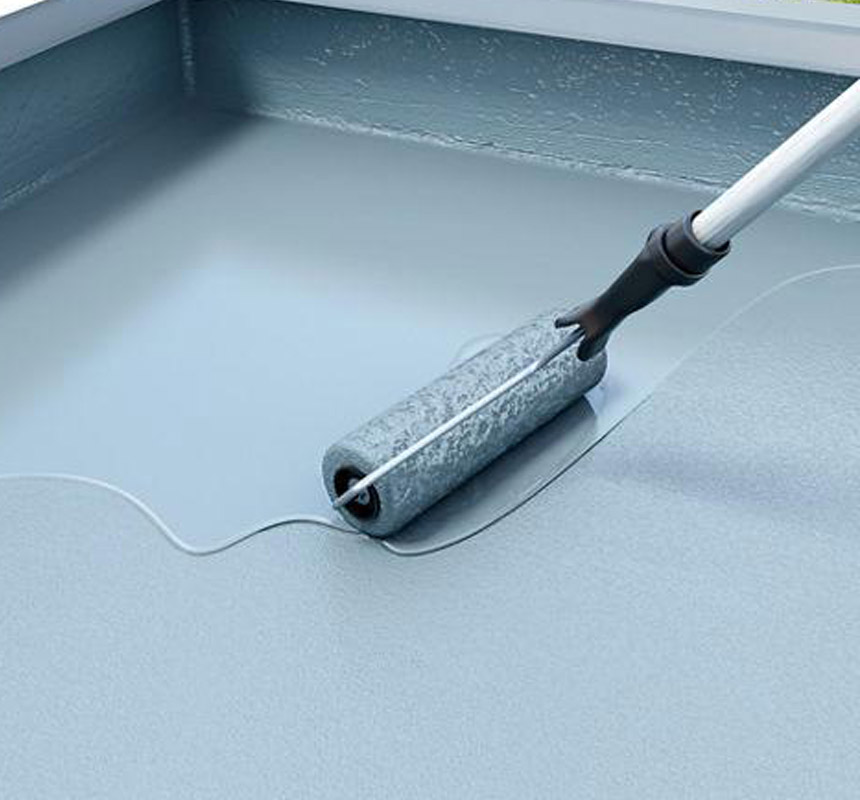
Complete waterproofing of a roof surface
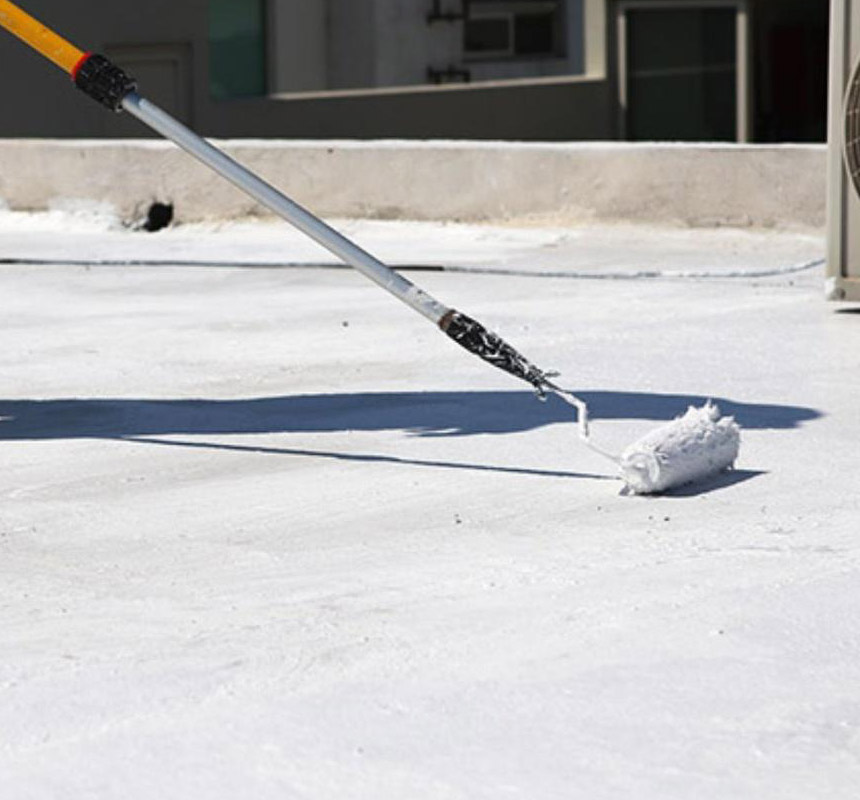
Local sealing of cracks
Waterproofing work on the roofs or roof terraces of existing buildings can even be carried out as a DIY project, provided the surface is properly prepared beforehand.
Do not carry out waterproofing work when conditions are cloudy, humidity levels are high or rain is forecast. The ideal period for these applications is from May to September.
Pay particular attention to areas where standing water tends to collect. In these locations, the waterproofing system should be reinforced with polyester fabric or glass-fibre mesh tape.
The use of higher-performance elastomeric materials is also recommended for improved resistance and durability.

Stay informed about new products, technical advice, colour trends and the latest news from Superlux.
© 2020–2026 SUPERLUX. All rights reserved.
We use essential cookies to ensure the website functions properly and, with your consent, analytics and other service cookies to improve your experience. You can accept all cookies, reject non-essential cookies, or manage your preferences.
Adding {{itemName}} to cart
Added {{itemName}} to cart